Dungeon Settlers Win Fights You Should Lose
Pause, position, and spend skills. There is no round timer — and no resurrection.
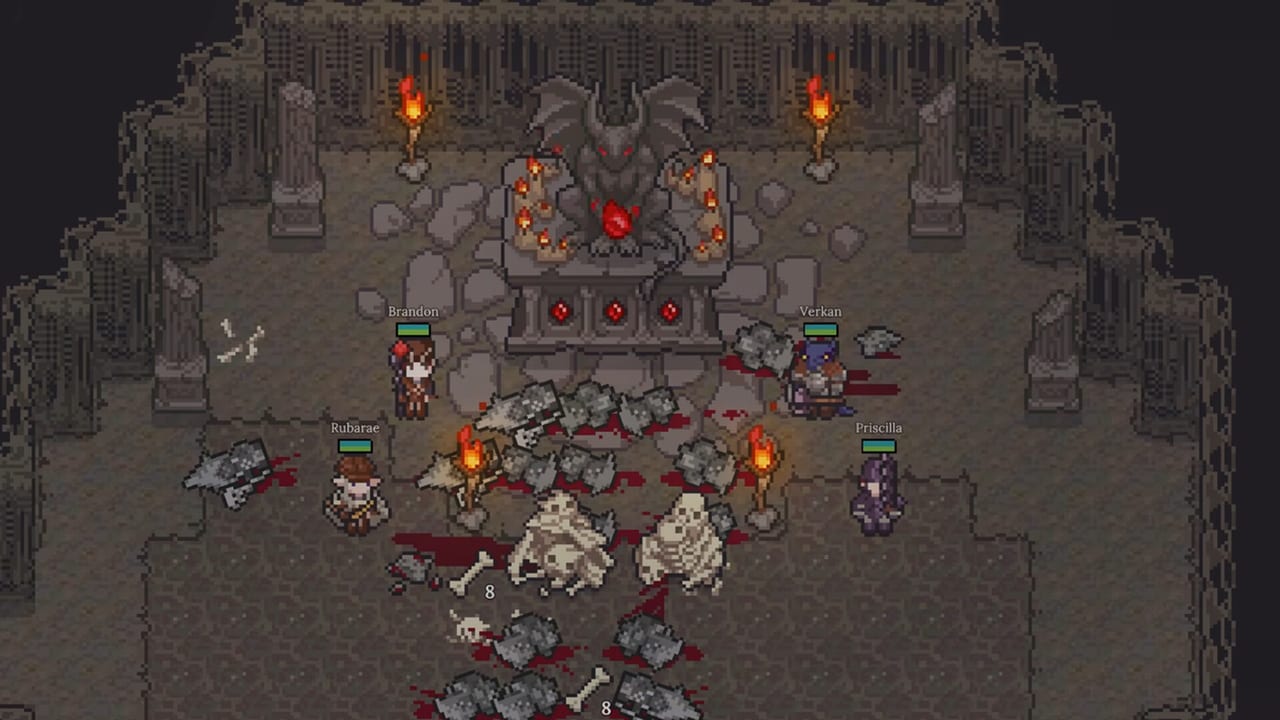
Combat in Dungeon Settlers is real-time with pause, a party cap of four, and permadeath. There are no turn limits and no “wait for the enemy’s round.” You pause, you issue orders, you unpause, you watch someone break formation and pull three slimes. This page is the tactical layer. Pair it with party compositions, weapons, and dungeon expeditions.
Pause is a mechanic, not a crutch
The intended skill expression is decision quality under a frozen clock. Pause when:
- A new room opens and you do not know patrol paths.
- A skill is off cooldown and a stun or provoke would save a squishy.
- Someone is bleeding, burning, or out of energy.
- A summon (Bubbleling, Bubbletoad from Water magic) needs a drop location.
- Durability on a main weapon is about to hit zero.
Unpause in short bursts. Holding pause forever is legal; it is also how you lose the thread of patrols. The getting started page already told you to bind pause like a reflex. Here it becomes a habit.
Damage is physical or magic
Despite colorful spell names, hits resolve as Physical or Magic. Strength, Agility, and Perception feed physical attack (Strength is the largest slice; Agility and Perception add half a point each). Intelligence feeds magic attack. Constitution and Willpower keep people standing and resist statuses. Full coefficients live on stats and talents. Build parties that cover both channels so a high-physical armor rat is not a brick wall.
Roles in a four-slot party
You do not have a holy trinity with a dedicated healer, but you do have jobs:
- Guard / shield. Holds a doorway, uses provoke, and soaks the 144-attack slaps of elites like the Red Monster Rat. Shield skill aptitude is a Lizardman racial bonus.
- Frontline striker. Sword, mace/blunt, or greatsword. Greatswords hit hard and hate being flanked; keep them behind the guard until the pull is clean.
- Bow. Safe damage if you packed Wood Arrows and later bone or metal ammo. Elves get bow aptitude.
- Caster. Fire, Water, or Nature. Fire is raw pressure; Water brings summons that scale off the caster’s magic attack; Nature supports control and Elf synergy.
Skill trees currently in the game include Sword, Blunt, Bow, Greatsword, Shield, Fire, Water, and Nature. Do not splash four trees on one settler in the first ten hours. Pick a lane that matches talents and racial aptitudes from the race tier list.
Status, space, and aggro
Stun, bleed, burn, provoke, vulnerable, charge, and summons are the swing tools. A stunned elite is a free volley. Bleed and burn punish long fights if you can kite. Provoke is how a shield-user stops Edwin the club-wielder from waking the next room — a failure mode Rock Paper Shotgun described from Early Access, and one you will reproduce if you never pause.
Monsters detect with vision and line of sight. Night (20:00–06:00) cuts vision for everyone; stealth and darkness can let you skip a patrol you are not ready to take. Pulling two packs because someone walked into a cone is the classic wipe. If a room looks like a shrine with a named statue, pause at the doorway.
Durability, ammo, and body parts
Weapons lose durability when they attack; armor loses it when it is hit. A 2% stick is a surrender. Repair at camp (Early Access added this after playtests). Bows without arrows become expensive clubs. Watch head and torso health separately from the mood/hunger/energy bars; a “fine” settler with a cracked skull is one crit from a funeral.
Energy gates skills. Willpower-talented settlers dump more casts before they gasp. If your Fire user is empty, pause and walk them back instead of auto-attacking into a slime.
Permadeath discipline
Once dead, a settler does not come back. That is the studio’s line, and it is the design. Do not send your only Genius researcher on a fishing expedition. Keep a spare recruit at camp. If a fight is unwinnable, run for the portal — a cowardly save is a campaign that still has a settlement. Mental Breaks from max stress can kill without a monster if you ignore mood.
Encounter types
Regular packs teach patterns. Elites (Red Monster Rat, named regional threats) demand crafted Bone or Carapace gear and a dedicated guard. Boss-scale remnants — golems, acid spitters, blood-hungry trees — belong on planned runs with camping kits, not on a “quick wood trip.” Event rooms and dungeon merchants are optional; merchants are how you offload junk without walking home, not a reason to overstay a depleted floor.
A simple combat script
- Pause at the door. Mark patrols.
- Pull one pack to a choke. Guard steps up, bow and caster stay behind.
- Stun or provoke the dangerous one first.
- Spend skills, then auto-attack only while cooldowns cook.
- If someone is downed or a weapon is breaking, disengage.
- Loot, then leave before Dungeon Stay and night stack.
If this script feels slow, you are playing the genre the developers shipped: hardcore strategy, not an action RPG. For loadouts that make the script easier, open party compositions and inscriptions.
Frequently Asked Questions
Quick answers to the most common questions.
Is combat turn-based?
No. It is real-time with pause and no round limit. Pause is part of the intended tactics, not an accessibility afterthought.
Can dead settlers be revived?
No. Permadeath is a core rule. Keep a replacement recruit at camp and do not risk unique talent rolls on scouting runs.
What should I pause for first?
New rooms, off-cooldown stuns or provokes, empty energy, and breaking weapons. See also dungeon expeditions for when to leave.
Do I need a healer?
There is no classic healer class. Pack ointments and aid kits, use Water/Nature tools, and win fights faster with a shield-user.